
Trademark Mistakes to Avoid Before You File
The most expensive trademark mistakes happen before filing is skipping a clearance search, filing under the wrong owner, choosing the wrong class, submitting a weak specimen, and misunderstanding intent-to-use rules. The USPTO states that likelihood of confusion is the most common reason a trademark registration may be refused. By the end, you will know which trademark filing mistakes can delay, weaken, or force a new application.
Trademark Filing Agency is a trademark filing support service that helps small businesses, startups, e-commerce sellers, creators, agencies, and brand owners prepare stronger USPTO trademark applications.

1. Skipping a Trademark Clearance Search
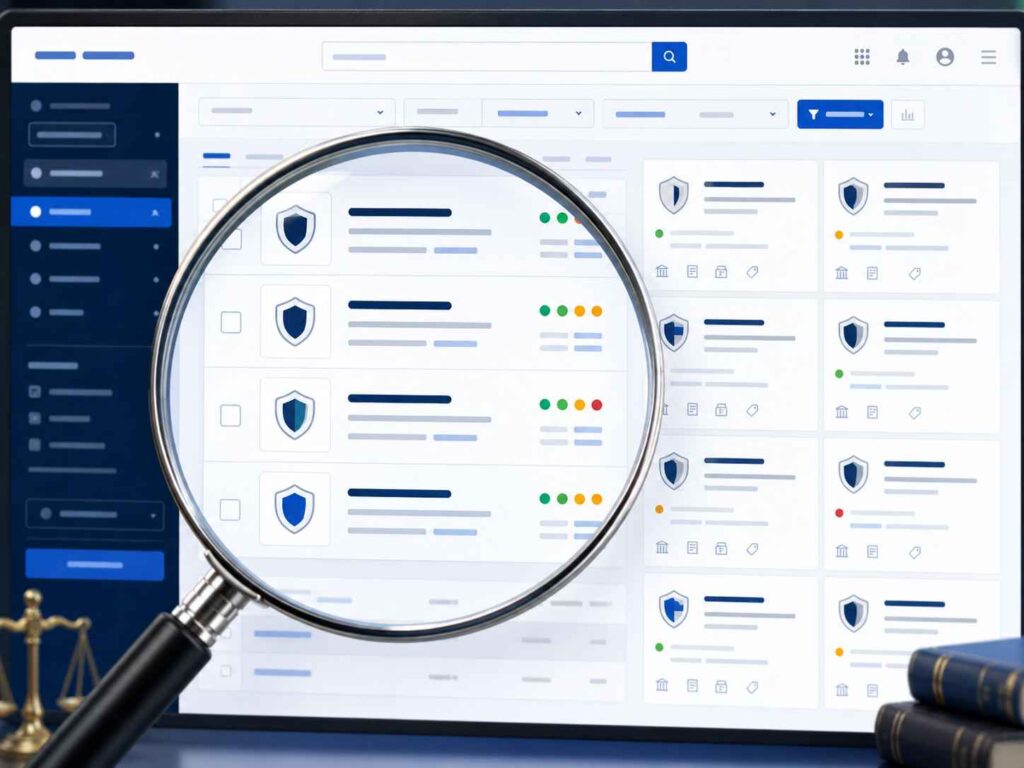
Skipping a trademark clearance search can lead to a likelihood-of-confusion refusal, lost filing fees, and a delayed launch.
A trademark clearance search is a review of existing marks, business names, domain names, marketplace listings, and common law uses before filing.
The USPTO says likelihood of confusion is the most common reason it may refuse a trademark registration. This creates risk because this mistake can create the biggest risk before an application even begins.
What To Check Before Filing
- USPTO trademark records
Search for identical and similar marks in related goods or services. - Common law usage
Check Google, marketplaces, social platforms, state business records, and domain names. - Similar spelling and sound
A mark does not need to be identical to cause a conflict. Similar pronunciation, appearance, or meaning can matter. - Related goods or services
A similar mark in a related industry can still block your application.
For example, a skincare startup filing “GlowNest” without searching may face refusal if “GloNest” already exists for cosmetics. This shows that spelling changes do not remove conflict risk.
USPTO likelihood of confusion guide
2. Filing Under the Wrong Owner Name
Filing under the wrong owner name can make the application legally defective and may require a new filing.
The trademark owner is the legal person or entity that controls the nature and quality of the goods or services connected to the mark.
The USPTO explains that the trademark owner is the legal entity that owns the trademark, and only certain minor owner-name errors can be corrected. Additionally, Trademark Rule 2.71(d) restricts substitution of the wrong applicant after filing, which creates serious risk when the wrong legal owner is named.
Owner mistake examples
Mistake | Why it matters | Safer filing approach |
Founder files personally | The LLC may actually own the brand | File under the LLC if it owns the mark |
Agency files for client | The agency may not own the brand | Client should be applicant |
Old company name used | Ownership chain becomes unclear | Use current legal entity |
Co-owner omitted | Application may be defective | List correct joint owners |
According to Trademark Filing Agency’s 2026 internal review, 1% of reviewed pre-filing intake issues involved incorrect owner names. Data based on analysis of 500 client intake forms reviewed in 2026.
For example, if a founder creates a logo for an LLC but files personally, the application may not match the true legal owner. This shows why ownership must be checked before submission.

3. Choosing the Wrong Goods, Services, or Class
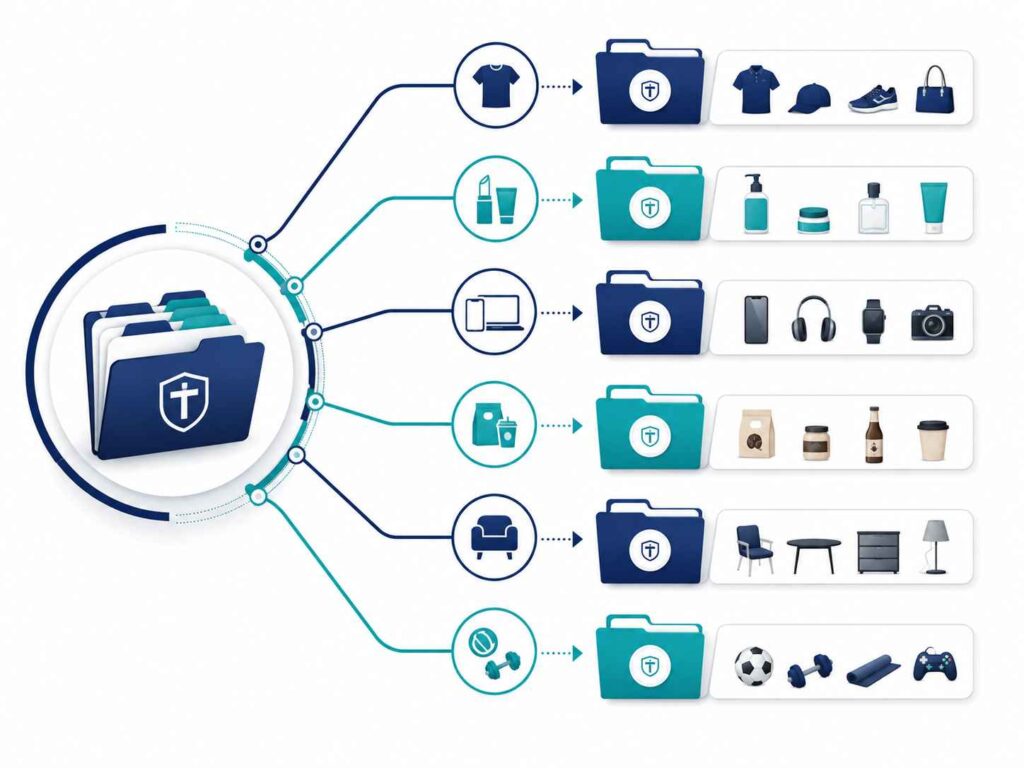
Choosing the wrong goods, services, or class can weaken protection because you cannot broaden the identification after filing.
Trademark class selection is the process of matching your brand’s goods or services to the correct International Class and identification description.
According to USPTO guidance that applicants may delete, clarify, or limit goods and services, but they cannot expand or broaden them after filing. The USPTO also states that applicants may not broaden an identification at any time to add goods or services; a broader scope requires a new application.
Class selection process
- List what you sell now
Include only goods or services you already offer or genuinely plan to offer. - Separate goods from services
Clothing, software, consulting, and online retail services often fall into different classes. - Use accepted ID Manual wording where possible
Custom wording can create delays and added cost. - Avoid overclaiming
Broad descriptions can trigger USPTO objections or require narrowing.
Notably, the USPTO’s 2025 fee changes created a $200 per class fee for using a free-form text box for goods or services instead of selecting wording from the ID Manual.
For example, an e-commerce seller filing only for “shirts” may miss protection for “online retail store services.” This illustrates why class mistakes can leave business activity uncovered.
4. Submitting a Weak Trademark Specimen
Submitting a weak specimen can cause a USPTO office action because the USPTO must see real trademark use in commerce.
A trademark specimen is evidence showing how the mark appears to consumers on goods, packaging, websites, sales pages, or service materials.
The USPTO requires an application to include goods and services that are in use or that the applicant has a bona fide intent to use with the trademark. Therefore, a decorative logo image or mockup may fail if it does not show actual trademark use.
Strong vs. weak specimen examples
Specimen type | Strong or weak? | Reason |
Product packaging with brand | Strong | Shows mark tied to goods |
Website sales page with purchase option | Strong | Shows commercial use |
Logo file alone | Weak | Does not show marketplace use |
Social post without offer | Weak | May not prove use for listed goods |
Business card for services | Often strong | Can show service-brand use |
A USPTO office action is an official letter explaining a legal or technical issue that must be fixed before the application can proceed.
For example, a candle brand submitting only a standalone logo may receive a specimen refusal. However, a product label showing the same mark on candle packaging is stronger evidence.

5. Misunderstanding Intent-to-Use Rules
Misunderstanding intent-to-use rules can delay registration because an intent-to-use application still needs proof of use before the mark registers.
An intent-to-use trademark is an application filed before commercial use when the applicant has a bona fide plan to use the mark.
The USPTO requires applicants to identify goods or services that are already in use or that they have a bona fide intent to use. As a result, intent-to-use filing does not remove the need for a valid specimen later.
Intent-to-use mistakes to avoid
- Filing with no real business plan
A vague idea is weaker than a documented launch plan. - Listing too many future goods
Overbroad claims can create filing problems and later proof issues. - Missing later deadlines
Intent-to-use applicants must later prove use through required filings. - Assuming filing equals registration
Filing starts the process. It does not complete registration.
Common misconception: Many believe an intent-to-use application protects every future product idea.
The reality: The USPTO requires either current use or bona fide intent for listed goods and services, and applicants cannot broaden goods or services after filing.
For example, a creator planning to launch a clothing line may file intent-to-use. However, they still need acceptable use evidence before registration.
6. Ignoring USPTO Fees and Application Completeness
Ignoring USPTO fees and application completeness can turn a simple filing into a more expensive and slower application.
A USPTO trademark filing fee is the government charge paid per class when submitting a trademark application.
The USPTO’s 2025 trademark fee changes took effect on January 18, 2025, and introduced additional fees for incomplete applications and certain custom identifications. Specifically, the USPTO charges a $200 per class fee for using the free-form text box for goods or services.
Cost-related mistakes
- Filing in unnecessary classes
Each class creates a separate cost and proof burden. - Using custom descriptions without strategy
Custom wording can add cost and review time. - Submitting incomplete information
Missing details can trigger extra fees or delays. - Refiling after avoidable errors
Wrong owner, wrong goods, or conflict issues can require a new application.
For example, a startup that files in 3 classes with custom wording may face extra costs per class. This shows why filing strategy matters before payment.

Quick Checklist: Trademark Mistakes to Avoid
The best way to avoid trademark application mistakes is to verify ownership, clearance, class selection, specimen quality, and filing basis before submitting.
The USPTO identifies likelihood of confusion as the most common refusal reason, and it prohibits broadening goods and services after filing. As a result, a pre-filing checklist reduces preventable risk.
Pre-filing checklist
- Search USPTO records for similar marks.
- Search common law sources, marketplaces, domains, and social media.
- Confirm the correct legal owner.
- Match goods and services to real business activity.
- Select the correct class or classes.
- Use accepted USPTO identification wording where possible.
- Prepare a valid specimen before filing use-based claims.
- Use intent-to-use only when there is a real launch plan.
- Review government fees by class.
- Save records showing brand use and launch planning.
For example, a service agency filing under its LLC, using a clear service description, and attaching a real website specimen reduces avoidable USPTO trademark mistakes.
Trademark Filing Agency recommends completing this checklist before submission, especially when the mark supports a new product launch, e-commerce store, or rebrand.
Frequently Asked Questions
What is the biggest trademark mistake to avoid?
The biggest trademark mistake is skipping a clearance search. The USPTO says likelihood of confusion is the most common reason for refusal. A similar existing mark can block registration even when your spelling, logo, or branding looks different.
Can I fix the owner's name after filing a trademark?
You can fix some minor owner-name errors, but you cannot safely assume every ownership mistake is correctable. The USPTO states the trademark owner is the legal entity that owns the mark, so applicants should confirm ownership before filing.
Can I add more goods or services after filing?
No, you cannot broaden goods or services after filing. The USPTO allows applicants to limit, clarify, or delete goods and services, but not expand them. If you need broader coverage, you may need a new application.
What causes a USPTO office action?
A USPTO office action can result from likelihood of confusion, weak specimens, unclear goods or services, descriptiveness, ownership issues, or technical defects. Likelihood of confusion is named by the USPTO as the most common refusal reason.
Is intent-to-use safer than use-based filing?
Intent-to-use is safer only when the applicant has a bona fide plan to use the mark. It does not eliminate later proof requirements. The USPTO still requires goods or services to be in use or supported by bona fide intent.